


When to Charter a Yacht in Turkey: A Month-by-Month Guide to the Turkish Riviera
When to Charter a Yacht in Turkey: A Month-by-Month Guide to the Turkish Riviera
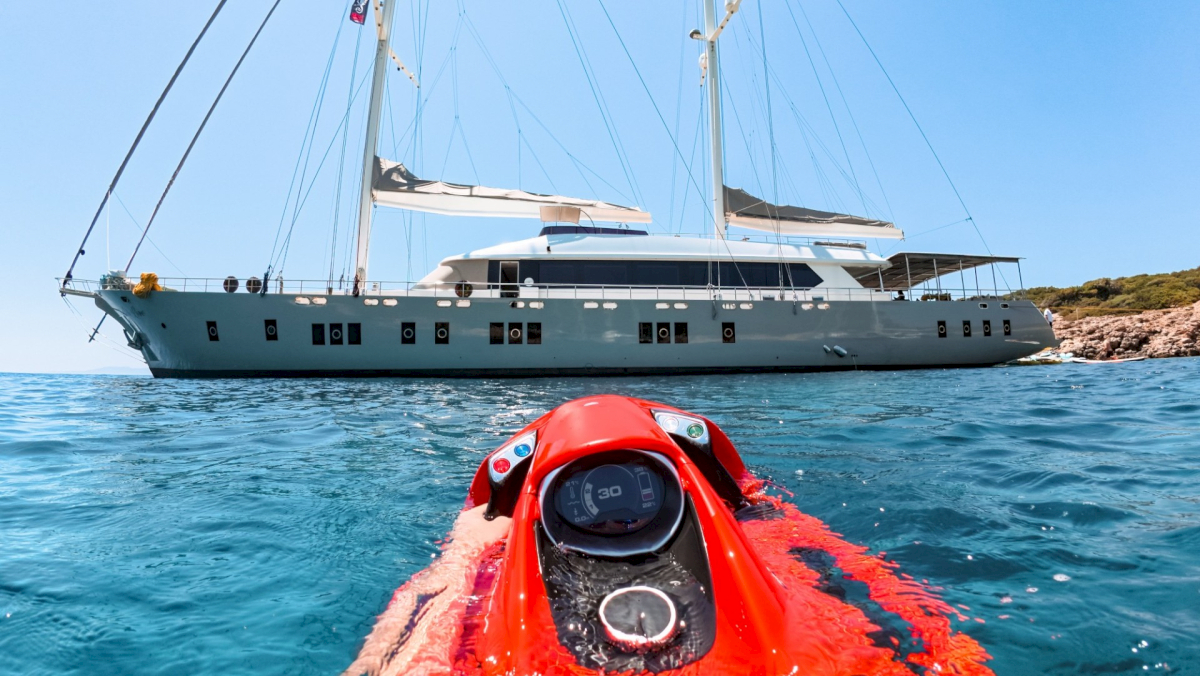
Turkey is one of the few Mediterranean destinations where the yachting season is remarkably long and flexible. Unlike many European counterparts with shorter summer windows, the season here stretches comfortably from May through late October — occasionally even drifting into the first weeks of November.
This longevity is one of the strongest arguments for choosing the Turkish coast for a yacht hire. Each month carries its own distinct character, atmosphere, and pricing logic. The question isn't just when you can go, but rather what kind of yacht charter experience you are seeking.
May: The Awakening and the Sense of Space
May opens the sailing season with grace and vibrant colors. Nature is in full bloom, the coastline is lush and green, and the air is pleasantly warm while the sea begins its gradual warm-up.
While the weather isn't yet at its mid-summer peak—occasional light showers are possible and hard to predict — there is an undeniable charm in this freshness. It is a time of light breezes and the total absence of exhausting heat.
Water temperatures vary by region: the sea around Fethiye and Göcek is generally warmer, while the waters in Bodrum can feel noticeably more "crisp." From a budget perspective, a yacht charter in Turkey in May is highly attractive, falling into the "low season" category with excellent availability across all routes.
June: The Transition to Full Summer
June is a month of two halves. The first week still feels like May—soft weather, fewer charter yachts in the bays, and a tranquil atmosphere.
By mid-month, however, the season gains momentum. From June 10th–15th, temperatures rise significantly, and as school holidays begin, demand for family yacht charters surges.
If warm water is your priority for the children, aim for dates after June 20th. By then, the sea has warmed sufficiently, and the weather settles into a true summer rhythm. June remains more accessible than the peak months, offering a perfect balance between ideal weather and value for money. The region from Marmaris to Fethiye is particularly lovely now for a nice yacht charter vacation, offering sheltered bays and smooth cruising.
July and August: Peak Season and High Energy
These are the most vibrant months of the Turkish summer. The coastline lives at full throttle: buzzing marinas, active social scenes, and a festive atmosphere.
A yacht charter in Turkey during this period defines the "high season." Demand is at its peak, and the best vessels — especially top-tier gulets and motor yachts — are often booked as early as January.
The weather is consistently hot. To stay comfortable, choosing the right region for Blue Cruise experience or discovering the areas beyond is key. Bodrum and the Hisarönü Gulf (near Datça and the D Maris Bay hotel) are often preferred due to lower humidity. In Fethiye and Göcek, the heat is more intense; if you are chartering a classic gulet with limited air conditioning hours, this is an important factor to discuss with your broker.
If you want the quintessential summer "vibe," July and August deliver it in full.


September: The Golden Equilibrium
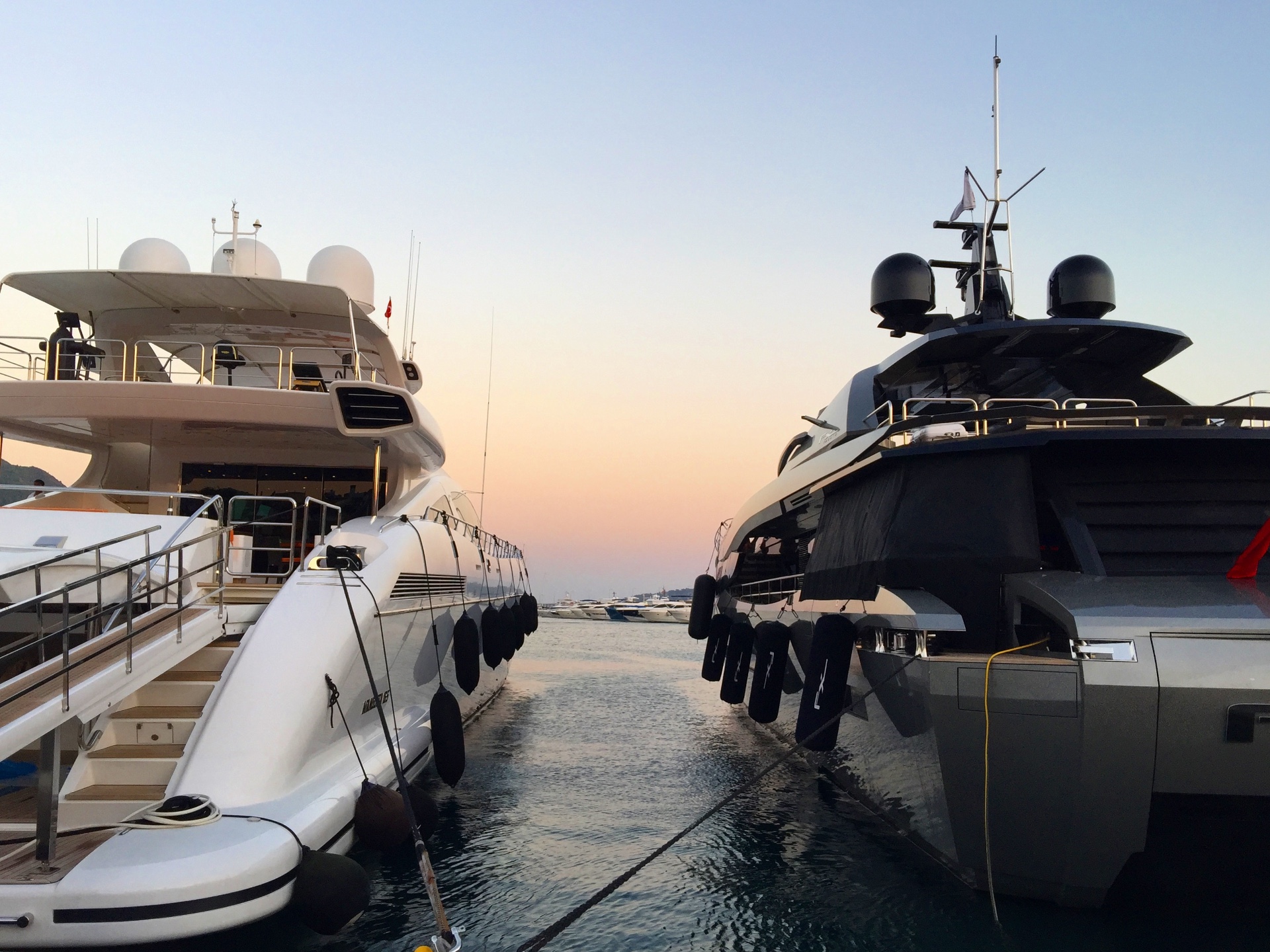
September is widely regarded by industry experts and seasoned charterers as the finest month for yachting in Turkey. The main tourist crowds dissipate, families head back to school, and the coastline becomes serene. Yet, the sea remains perfectly warmed from the summer sun, and the air temperature becomes soft and inviting.
Rates for a weekly yacht charter in September are more attractive than in the peak months, and yacht availability improves. Strategically, this is the most versatile period; the entire coastline performs flawlessly, from the sunken ruins of Kekova to the trendy beach clubs of Yalıkavak. It is that rare moment when weather, water temperature, and atmosphere align perfectly.
October: Silence, Space, and Mellow Sun
October offers a more intimate, "connoisseur" experience. The first two weeks are usually delightful: warm seas, golden light, and a complete lack of heat. Prices often drop even below September levels, making it the best time for a luxury experience at a more accessible price point.
An October charter is ideal for:
- Couples or groups not tied to school schedules.
- Those who prefer mild temperatures over intense sun.
- Travelers who value privacy and the meditative beauty of nature.
The bays are quiet, the anchorages are private, and the pace of life slows down beautifully.
What About November?
While the official season winds down by late October, charters are occasionally possible in early November. These are bespoke cases that require extra coordination — specifically regarding crew availability, as many teams begin their winter maintenance by mid-October. However, for the adventurous, these late-season trips are often the most memorable and unique.
Choosing Your Perfect Window
Ultimately, the best time to charter a yacht in Turkey depends on your personal priorities:
- May & Early June: For space, freshness, and soft light.
- Mid-June: The ideal balance for families.
- July & August: For energy, sun, and the high-season buzz.
- September: The "Goldilocks" zone — everything is just right.
- October: For tranquility and exceptional value.
There is no "wrong" time, only the time that fits your vision. If you aren't sure which month suits your group, don't just look at the thermometer — think about the rhythm of the holiday you want to experience. Reach out to us at Contact Yachts, and we will help you match the perfect period and itinerary to your style and budget.
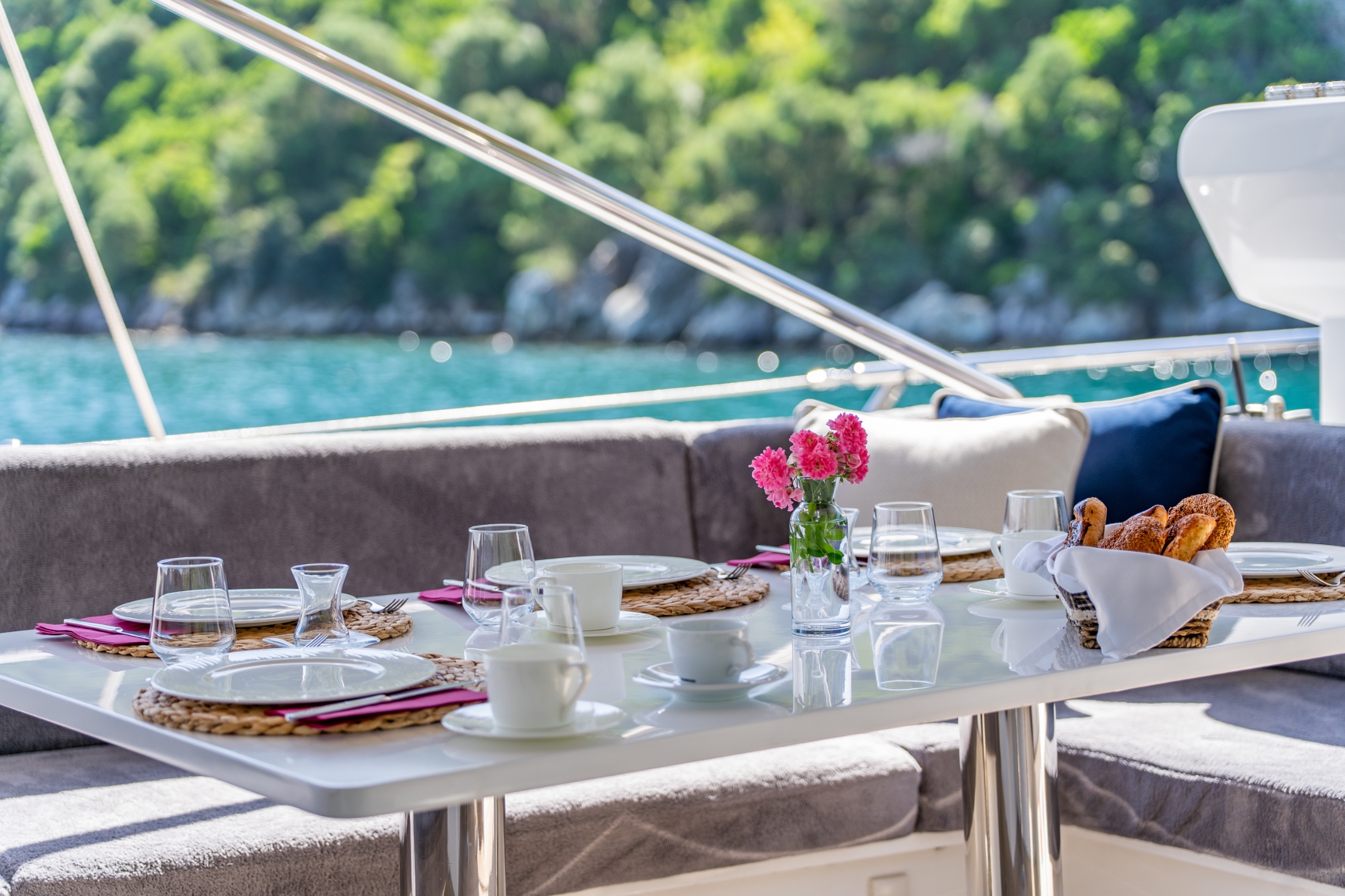
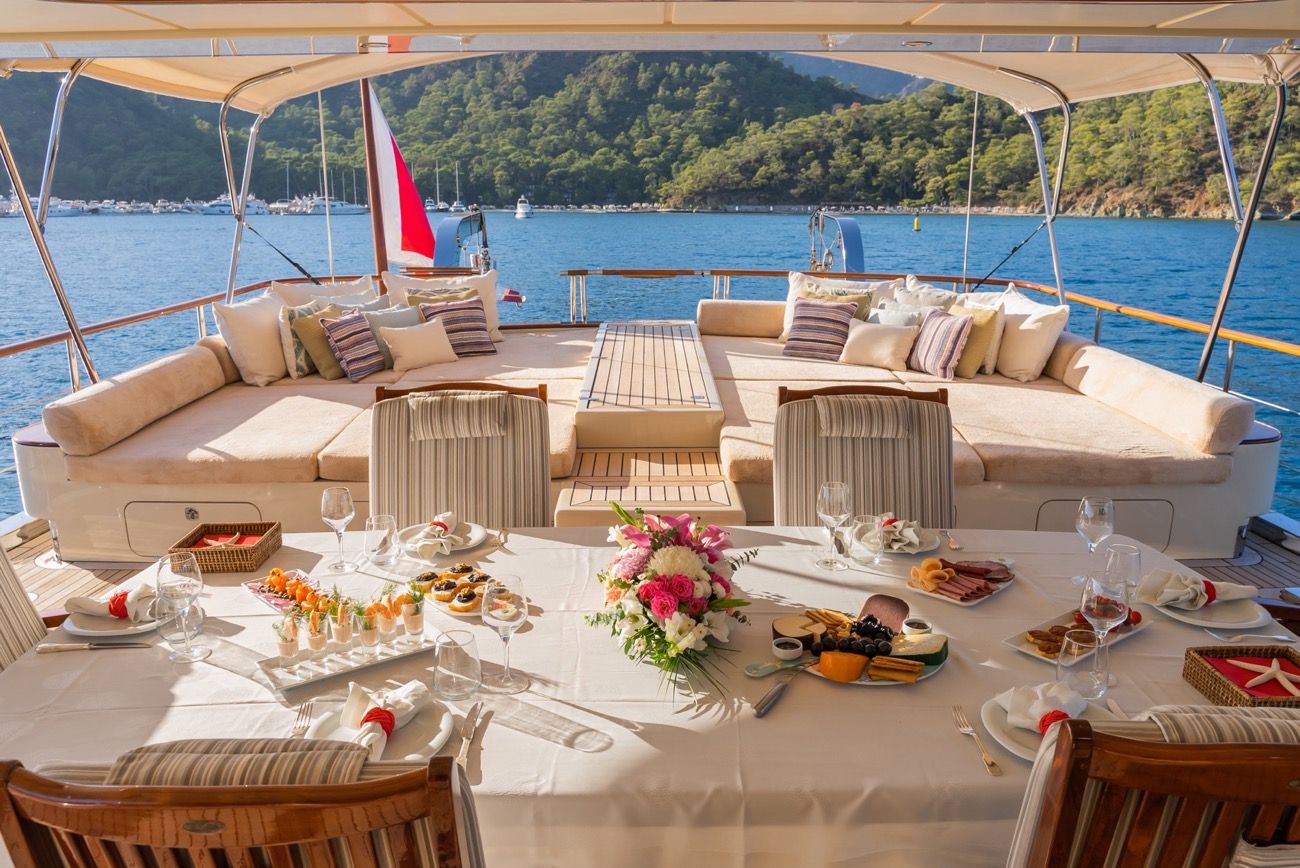


CONTACT YACHTS is a luxury yacht charter company that operates worldwide. Our team of professional charter brokers will assist you in renting, buying, selling or building a new yacht. We also have a concierge team to assist our clients with any VIP request related to a yachting & travel experience.
MEMBER OF YACHTING & TRAVEL ORGANIZATIONS




SUPPORTED CREDIT CARDS


Disclaimer: Information displayed is not contractual. Contact Yachts offers details of this vessel in good faith but does not warrant, guarantee or assume any legalibility or responsibility for the accuracy, completeness or usefulness of this information or warrant the condition of the vessel. All information is subject to change without notice. Currency conversions for comparisons purposes only, based on currency exchange rate. All particulars are believed to be correct, but cannot be guaranteed.